
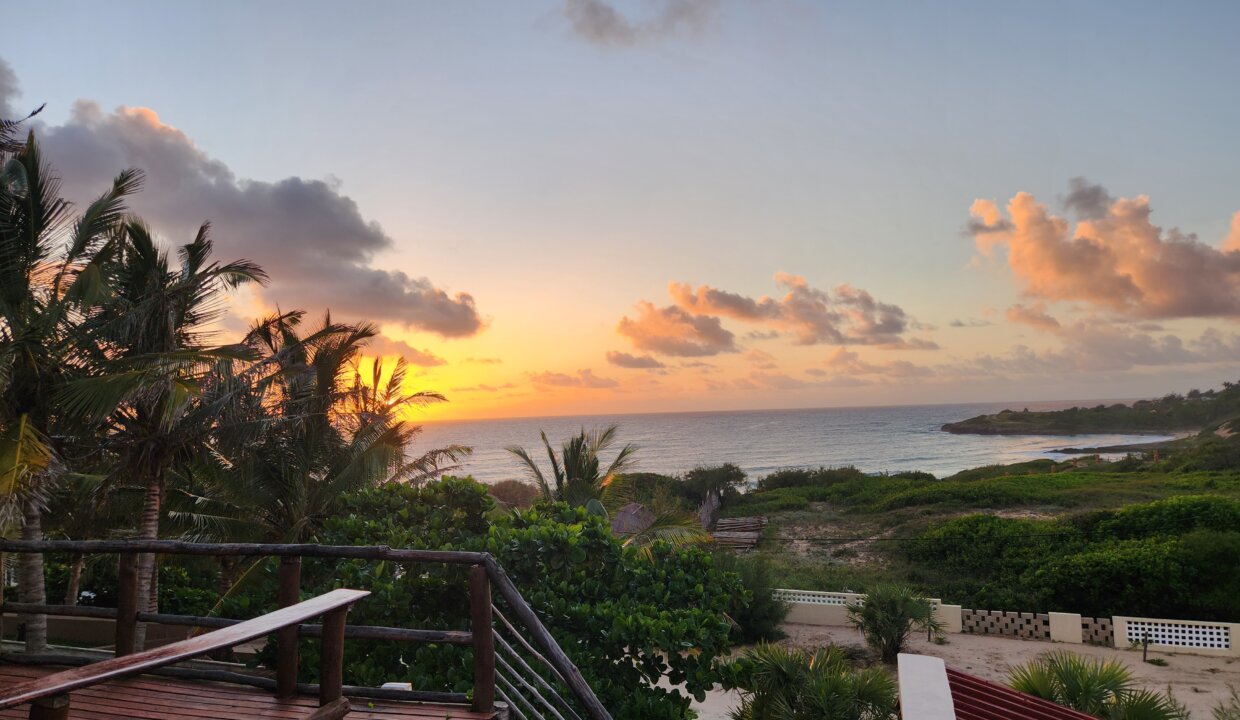
By Move2Moz | Category: Lifestyle Most articles about living in Mozambique as a foreigner are written by people who visited for two weeks, stayed in a hotel in Maputo, and came home to write a blog post. This one is different. Move2Moz has been operating in Mozambique since 2016. We live here, work here, own property here, and help many foreign buyers and digital nomads navigate life in this extraordinary country every year. What follows is the honest, unfiltered picture — the things that make Mozambique genuinely special, and the things you need to know before you arrive. The First Thing Everyone Gets Wrong Most people thinking about moving to Mozambique imagine Maputo — the capital city, the traffic, the bureaucracy, the urban complexity. And while Maputo is a fascinating city with a vibrant Afro-Portuguese culture, great restaurants and a genuinely cosmopolitan energy, it is not the Mozambique that most of our clients fall in love with. The Mozambique that changes people’s lives is the coastal regions. Specifically, the Inhambane Province — home to Tofo, Tofinho, Barra, Guinjata, and some of the most spectacular stretches of Indian Ocean coastline on the planet. If you’re considering living in Mozambique as a foreigner, the first question to ask yourself is not “can I afford it?” or “is it safe?” — it’s “which Mozambique do I want?” What Life Actually Looks Like in Coastal Mozambique Picture this. You wake up to the sound of the ocean. Your morning coffee is drunk on a veranda overlooking the Indian Ocean. By 9am you’ve been for a swim in 26-degree water. By lunchtime you’re eating prawns that were caught this morning, at a beachside restaurant where people know you and greet you warmly. The afternoon involves a dive, a surf, or simply a long walk on a beach that’s mostly empty. This is not a holiday brochure fantasy. This is Tuesday in Inhambane. For families, digital nomads, retirees, and investors who have made the leap, life in coastal Mozambique offers something increasingly rare in the modern world — genuine freedom, space, and simplicity, at a cost that would be unthinkable in Europe, the UK, or even South Africa. The Honest Pros — What Makes Mozambique Special The cost of living is genuinely low. Outside of imported goods and international school fees, day-to-day living in Mozambique is very affordable. Fresh seafood, local produce, domestic help, and housing all cost a fraction of what you’d pay in South Africa or Europe. A family can live very comfortably on a budget that would be considered modest back home. The space and lifestyle are unmatched. Properties in coastal Mozambique come with land, gardens, pools and ocean views that simply don’t exist at equivalent price points anywhere else in Southern Africa. You’re not buying a flat — you’re buying a lifestyle. The people are genuinely warm. Mozambicans are famously welcoming to foreigners. The country has a long history of international residents and a relaxed, open culture that makes integration far easier than many people expect. If you make an effort — even just learning a few words of Portuguese — you’ll be embraced. The natural environment is extraordinary. Whale sharks in Tofo. Manta rays at Manta Reef. Humpback whales visible from the shore between July and November. Pristine coral reefs, freshwater lakes, dune forests, and 2,500km of Indian Ocean coastline. For anyone who loves the ocean or the outdoors, Mozambique is almost impossibly good. The expat community is tight-knit and supportive. Particularly in the Inhambane region, there is a well-established community of foreign residents — South Africans, Portuguese, British, Dutch — who have built businesses, raised families, and made Mozambique their permanent home. Finding your feet is much easier when you have a community around you. The Honest Challenges — What You Need to Know Infrastructure takes adjustment. Power cuts happen. Water supply can be intermittent. Internet connectivity has improved dramatically in recent years but is still not at European or South African standards everywhere. Most established properties in coastal Mozambique have solar systems, generators and water storage — this is standard rather than exceptional — but it does require a mindset shift from urban living. Healthcare requires planning. Public healthcare in Mozambique is limited, and serious medical situations typically require a trip to South Africa. Comprehensive international health insurance with medical evacuation cover is non-negotiable — this is a cost that needs to be factored into your budget from day one. For day-to-day healthcare, private clinics in Inhambane town are perfectly adequate. Portuguese is the official language. English is spoken in tourist areas and by the business community, but outside of that you’ll need at least basic Portuguese to navigate daily life comfortably. The good news is that Mozambican Portuguese is warm and not difficult to pick up — most long-term residents manage basic fluency within a year. Bureaucracy requires patience. VISAs, work permits, company registrations, property transfers — Mozambique’s administrative processes are improving but they take time and require proper local guidance. This is precisely why working with an experienced local agency matters. Move2Moz handles all of these processes for our clients, removing the frustration and guesswork entirely. The Questions We Get Asked Most Often “Is it safe?” The Inhambane region — where Move2Moz operates — is genuinely safe. It is a long-established tourist and expat destination with a stable, welcoming community. The security concerns that occasionally make international news relate primarily to the Cabo Delgado region in the far north of the country, which is geographically and culturally very different from the south. Coastal Inhambane is as safe as any comparable beach destination in Southern Africa. “Can I own property in Mozambique?” Yes — and more straightforwardly than most people expect. Foreigners can own buildings and structures in Mozambique. The land system (DUAT) is different to Western freehold ownership but is legally sound and well established. We’ve written a comprehensive guide to buying property in Mozambique as a foreigner — read it here. “What about schooling for…
Read More