News

Buy cheap property in Mozambique | Land available

Why Mozambique is the Smartest Place to Get Land and Start Over

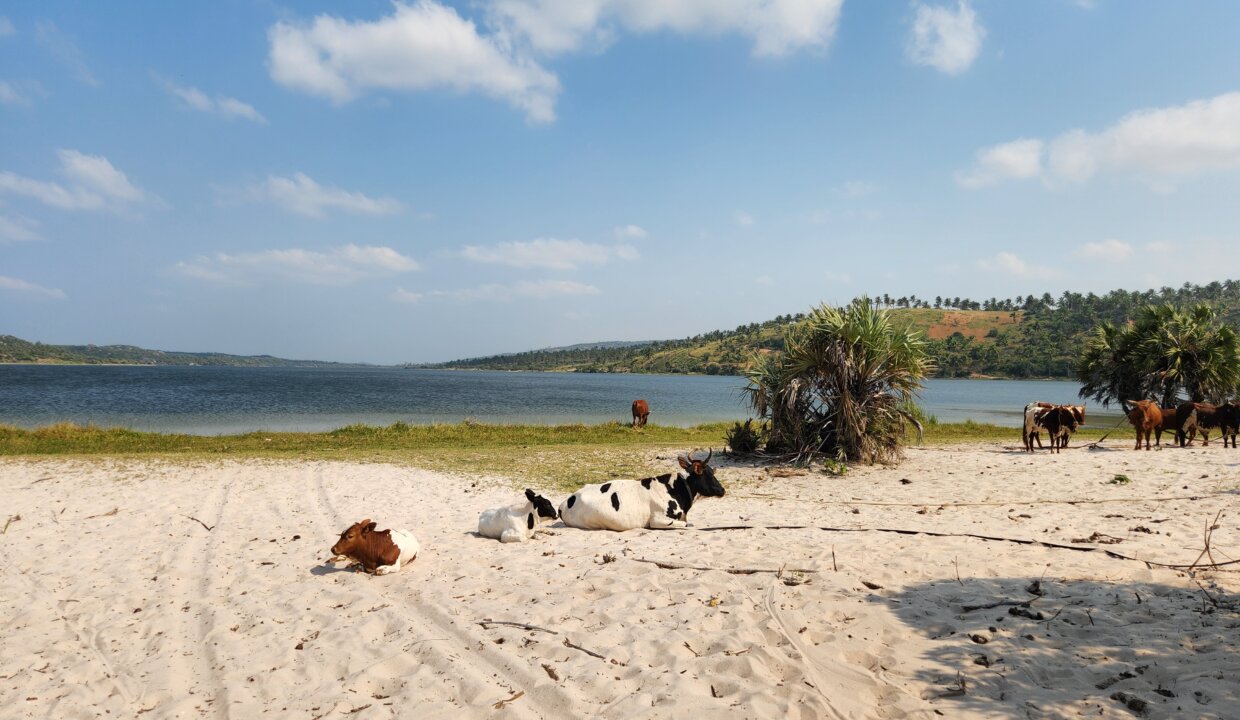
By Move2Moz | Category: Investing in Mozambique Something is shifting. Quietly, but unmistakably. Across South Africa, the UK, the United States and Europe, a growing number of people are asking the same question — not out loud necessarily, but in the small hours, or on long drives, or when the news gets turned off for the night. The question is this: is there somewhere else? Somewhere with space. With clean air and warm water. Somewhere you can own land, grow food, live simply and affordably, and not feel like you’re one policy decision away from losing everything you’ve worked for. For thousands of people who have already made the move, that somewhere is Mozambique. And specifically, southern Mozambique — one of the most beautiful, fertile, affordable and genuinely undiscovered corners of the African continent. This is not a fantasy. This is a life that people are living right now. And with the right guidance, it could be yours too. The World That’s Pushing People Out Let’s be honest about what’s driving this conversation, because it’s real and it matters. For South Africans, the pressure has been building for years. Load shedding. Rising crime. A cost of living that erodes purchasing power month by month. And now, the Expropriation Act of 2025 — signed into law by President Ramaphosa in January 2025 — which introduces the legal framework for expropriation without compensation under specific circumstances. South Africa’s first test case is already heading to court in 2026, involving a 34-hectare property valued at up to R64 million, expropriated for nil compensation. Whether you believe the law is justified or not, the uncertainty it creates for property owners is real, and it is causing people to reconsider where they put their assets and their futures. For Americans and Europeans, the pressures are different but equally unsettling. Inflation has eaten into savings. Housing is unaffordable for entire generations. Political polarisation has reached levels that feel genuinely destabilising. Supply chain fragility — exposed brutally by the pandemic — has made food security feel less certain than it once did. And an increasing number of people, across the political spectrum, are quietly exploring what it would mean to own land, grow their own food, and opt out of a system that feels increasingly rigged against the individual. Mozambique sits at the intersection of everything these people are looking for. What Makes Southern Mozambique Different Drive through southern Mozambique and something happens to you. The pace slows. The road winds through landscapes that feel like they haven’t changed in decades — lush dune forests, coconut palms, small communities going about their days with a warmth and unhurriedness that feels almost nostalgic to anyone who grew up before the smartphone era. This is not underdevelopment dressed up as charm. Mozambique is a young democracy, still in many ways recovering from a turbulent past — decades of colonial rule, a brutal civil war that ended only in 1992, and the long, slow work of rebuilding that follows. What that history has produced, perhaps unexpectedly, is a country that has not yet been overrun. A place where life is still lived at a human scale. The biodiversity alone is extraordinary. Southern Mozambique’s coastline — stretching through Inhambane Province and beyond — is home to whale sharks, manta rays, humpback whales, pristine coral reefs, freshwater lakes, and dune forests teeming with wildlife. Driving between properties can genuinely feel like a jungle adventure. The Indian Ocean is warm year round. The soil is fertile. The sun shines reliably. And because Mozambique has long been perceived as a terra incognita — a place people assume is complicated, or remote, or too unknown to risk — it has been largely spared the rapid development and exploitation that has consumed so much of the African coastline. That perception has, paradoxically, been its greatest protector. The charm is intact. The land is still affordable. The communities are still real. But this will not last forever. The people who move now are the ones who will look back in ten years and say they got there at exactly the right time. The Self-Sufficiency Case for Southern Mozambique For anyone seriously considering a more self-sufficient lifestyle, southern Mozambique makes a compelling case on almost every measure. The climate is ideal for growing food year round. The warm, tropical climate of Inhambane Province supports a wide range of crops — coconuts, cashews, tropical fruits, vegetables, maize and much more. Many properties in the region already have established food-producing trees and gardens. The growing season effectively never ends. Land is genuinely affordable. Compared to South Africa, Europe or the United States, agricultural and residential land in southern Mozambique represents extraordinary value. For the price of a modest apartment in Cape Town or a small plot in rural England, you can own a substantial piece of productive coastal land in Mozambique — with ocean views. Water security is manageable. Most established properties in the region operate on borehole water, which is reliable and clean. Many run fully or partially on solar power. Off-grid living is not an aspiration here — it is standard practice for thousands of existing residents, both local and foreign. The food is extraordinary and local. Fresh prawns, crayfish, line fish, tropical fruit, locally grown vegetables — the food culture of coastal Mozambique is one of its great unsung pleasures. Living off the land and sea here is not hardship. It is genuinely one of the best ways to eat on the planet. The community already exists. This is perhaps the most important point for anyone nervous about making a big leap. Southern Mozambique already has a well-established community of foreign residents — South Africans, Portuguese, British, Dutch and others — who have built homes, started businesses, raised families and made this their permanent base. The infrastructure of expat life is already here. You would not be pioneering alone. You would be joining something that already works. What About the Practical Reality? We believe in honesty….

Read More
Inhambane Property for Sale

Myths About Buying Property in Mozambique — Busted

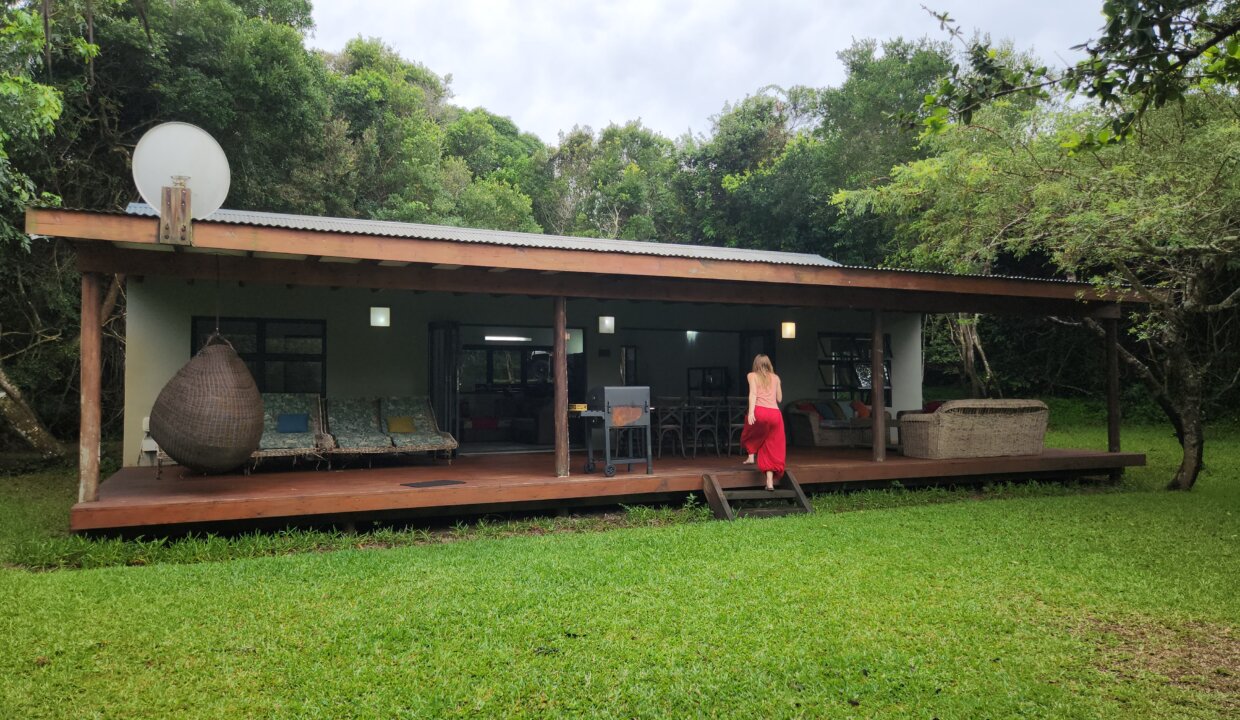
Buying property in Mozambique comes with many myths and mis-conceptions. In fact, if we had a dollar for every time a potential buyer told us they’d heard you “can’t really own property in Mozambique” — we’d own a lot more property in Mozambique. The myths and misconceptions surrounding property ownership in this country are widespread, persistent, and frankly, costing people life-changing opportunities. Some of these myths come from outdated information. Some come from well-meaning but uninformed friends. And some — frustratingly — come from advisors who don’t fully understand Mozambican property law and steer buyers in completely the wrong direction as a result. We’re going to set the record straight. Once and for all. Myth #1: “Mozambique is a Communist Country — The State Owns Everything” This is the most common and most damaging myth of all, and it couldn’t be further from the truth. Yes, Mozambique had a Marxist-Leninist government after independence in 1975. Yes, the state nationalised land and property during that period. But that was fifty years ago. Mozambique transitioned to a multi-party democracy and a fully privatised market economy in the early 1990s — and the property market has been privately owned and traded ever since. Today, Mozambique’s property market is completely privatised. Title deeds — known as a Título de Propriedade — are openly and legally bought and sold between private individuals, both local and foreign. There are thousands of foreign nationals who own property in Mozambique right now, with full legal title, who bought and sold without any involvement of the state beyond the standard registration process. The idea that Mozambique is a communist country where private ownership doesn’t exist is simply not accurate. It belongs to the same category of myth as “you can’t get a decent meal in Mozambique” or “there are no paved roads.” Outdated, inaccurate, and worth ignoring entirely. The reality: Mozambique has a fully privatised property market. Title deeds are legally traded. Foreign nationals own property here every day. Myth #2: “All Property in Mozambique is on a 99-Year Lease — You Never Really Own It” This one contains a grain of truth buried under a mountain of misunderstanding. Let’s unpick it properly. It is true that in Mozambique, all land constitutionally belongs to the State. Nobody — local or foreign — can own bare, undeveloped land in the freehold sense. Instead, the State grants what is known as a DUAT (Direito de Uso e Aproveitamento da Terra) — a legally protected right to use and develop a specific parcel of land. But here is the critical distinction that most people miss completely: The DUAT applies to land. Not to property. Any building, structure or improvement constructed on that land — a house, a villa, a lodge, a warehouse — is privately owned by whoever built or purchased it, and is issued its own title deed. That title deed is yours. It does not expire. It is not a lease. It is freehold ownership of the structure, fully transferable, fully inheritable, and fully yours. When you buy a built property in Mozambique — a beach house, a family home, a lodge — you are buying the building and its title deed outright. The DUAT attached to the underlying land transfers automatically with the property as part of the sale. You are not buying a lease. You are not renting from the government. You own the property. The “99-year lease” confusion comes from conflating the DUAT system for bare land with the ownership of built property. They are two entirely different things, governed by different rules. The reality: When you buy a built property in Mozambique, you receive a freehold title deed for the structure. The DUAT transfers with the property automatically. You own it outright. Myth #3: “After 49 Years the DUAT Expires and You Lose Everything” This myth causes enormous unnecessary anxiety — and it is based on a fundamental misreading of how the DUAT system actually works. Yes, DUATs are issued for defined periods — typically 49 years for the initial grant, with the possibility of renewal. But the word “renewal” is doing a lot of heavy lifting here that people consistently overlook. A DUAT is renewable. Provided the holder has complied with the conditions of the DUAT — which in practice means using the land for its stated purpose and keeping up with any applicable obligations — renewal is not just possible, it is the standard outcome. The DUAT does not simply expire and disappear, taking your property with it. It is renewed, much like a business licence or a long-term lease in any other country. Furthermore, for built-up urban properties — which is what most foreign buyers are purchasing — the practical reality is that the DUAT framework becomes almost academic. The title deed for the building is what matters for day-to-day ownership, transfer, and inheritance. The DUAT renewal process runs in the background, managed as part of standard property administration. Nobody who has bought a well-documented property in Mozambique and maintained it properly has lost that property because a DUAT expired. That is not how it works in practice. The reality: DUATs are renewable provided you comply with their conditions. For built properties, the title deed is the primary ownership document. Losing your property because a DUAT expires is not a real-world risk for compliant property owners. Myth #4: “You Have to Set Up a Mozambican Company Just to Buy a Holiday Home” This one is not just a myth — it’s actively bad advice that has cost foreign buyers significant unnecessary expense, and we see it more often than we should. The confusion arises because there are specific rules around foreigners acquiring bare, undeveloped land in their personal name. Under Mozambican law, a foreign individual who wants to acquire a DUAT for undeveloped land must have been resident in Mozambique for at least five years. Companies incorporated in Mozambique with foreign shareholders do not face the same restriction. So yes — if…

Read More
Tofo Mozambique luxury beachfront villa for sale

Living in Mozambique as a Foreigner — What Nobody Tells You

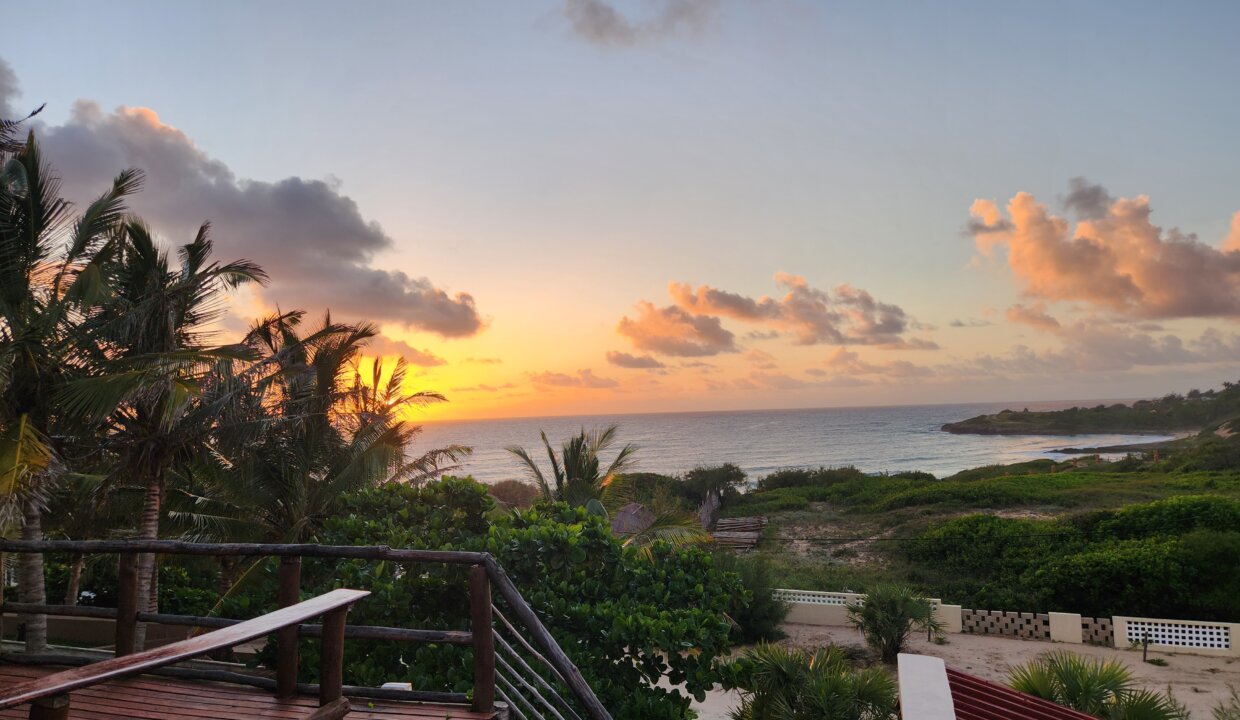
By Move2Moz | Category: Lifestyle Most articles about living in Mozambique as a foreigner are written by people who visited for two weeks, stayed in a hotel in Maputo, and came home to write a blog post. This one is different. Move2Moz has been operating in Mozambique since 2016. We live here, work here, own property here, and help many foreign buyers and digital nomads navigate life in this extraordinary country every year. What follows is the honest, unfiltered picture — the things that make Mozambique genuinely special, and the things you need to know before you arrive. The First Thing Everyone Gets Wrong Most people thinking about moving to Mozambique imagine Maputo — the capital city, the traffic, the bureaucracy, the urban complexity. And while Maputo is a fascinating city with a vibrant Afro-Portuguese culture, great restaurants and a genuinely cosmopolitan energy, it is not the Mozambique that most of our clients fall in love with. The Mozambique that changes people’s lives is the coastal regions. Specifically, the Inhambane Province — home to Tofo, Tofinho, Barra, Guinjata, and some of the most spectacular stretches of Indian Ocean coastline on the planet. If you’re considering living in Mozambique as a foreigner, the first question to ask yourself is not “can I afford it?” or “is it safe?” — it’s “which Mozambique do I want?” What Life Actually Looks Like in Coastal Mozambique Picture this. You wake up to the sound of the ocean. Your morning coffee is drunk on a veranda overlooking the Indian Ocean. By 9am you’ve been for a swim in 26-degree water. By lunchtime you’re eating prawns that were caught this morning, at a beachside restaurant where people know you and greet you warmly. The afternoon involves a dive, a surf, or simply a long walk on a beach that’s mostly empty. This is not a holiday brochure fantasy. This is Tuesday in Inhambane. For families, digital nomads, retirees, and investors who have made the leap, life in coastal Mozambique offers something increasingly rare in the modern world — genuine freedom, space, and simplicity, at a cost that would be unthinkable in Europe, the UK, or even South Africa. The Honest Pros — What Makes Mozambique Special The cost of living is genuinely low. Outside of imported goods and international school fees, day-to-day living in Mozambique is very affordable. Fresh seafood, local produce, domestic help, and housing all cost a fraction of what you’d pay in South Africa or Europe. A family can live very comfortably on a budget that would be considered modest back home. The space and lifestyle are unmatched. Properties in coastal Mozambique come with land, gardens, pools and ocean views that simply don’t exist at equivalent price points anywhere else in Southern Africa. You’re not buying a flat — you’re buying a lifestyle. The people are genuinely warm. Mozambicans are famously welcoming to foreigners. The country has a long history of international residents and a relaxed, open culture that makes integration far easier than many people expect. If you make an effort — even just learning a few words of Portuguese — you’ll be embraced. The natural environment is extraordinary. Whale sharks in Tofo. Manta rays at Manta Reef. Humpback whales visible from the shore between July and November. Pristine coral reefs, freshwater lakes, dune forests, and 2,500km of Indian Ocean coastline. For anyone who loves the ocean or the outdoors, Mozambique is almost impossibly good. The expat community is tight-knit and supportive. Particularly in the Inhambane region, there is a well-established community of foreign residents — South Africans, Portuguese, British, Dutch — who have built businesses, raised families, and made Mozambique their permanent home. Finding your feet is much easier when you have a community around you. The Honest Challenges — What You Need to Know Infrastructure takes adjustment. Power cuts happen. Water supply can be intermittent. Internet connectivity has improved dramatically in recent years but is still not at European or South African standards everywhere. Most established properties in coastal Mozambique have solar systems, generators and water storage — this is standard rather than exceptional — but it does require a mindset shift from urban living. Healthcare requires planning. Public healthcare in Mozambique is limited, and serious medical situations typically require a trip to South Africa. Comprehensive international health insurance with medical evacuation cover is non-negotiable — this is a cost that needs to be factored into your budget from day one. For day-to-day healthcare, private clinics in Inhambane town are perfectly adequate. Portuguese is the official language. English is spoken in tourist areas and by the business community, but outside of that you’ll need at least basic Portuguese to navigate daily life comfortably. The good news is that Mozambican Portuguese is warm and not difficult to pick up — most long-term residents manage basic fluency within a year. Bureaucracy requires patience. VISAs, work permits, company registrations, property transfers — Mozambique’s administrative processes are improving but they take time and require proper local guidance. This is precisely why working with an experienced local agency matters. Move2Moz handles all of these processes for our clients, removing the frustration and guesswork entirely. The Questions We Get Asked Most Often “Is it safe?” The Inhambane region — where Move2Moz operates — is genuinely safe. It is a long-established tourist and expat destination with a stable, welcoming community. The security concerns that occasionally make international news relate primarily to the Cabo Delgado region in the far north of the country, which is geographically and culturally very different from the south. Coastal Inhambane is as safe as any comparable beach destination in Southern Africa. “Can I own property in Mozambique?” Yes — and more straightforwardly than most people expect. Foreigners can own buildings and structures in Mozambique. The land system (DUAT) is different to Western freehold ownership but is legally sound and well established. We’ve written a comprehensive guide to buying property in Mozambique as a foreigner — read it here. “What about schooling for…

Read More
House for Sale Mozambique

Discover the Property Market in Mozambique

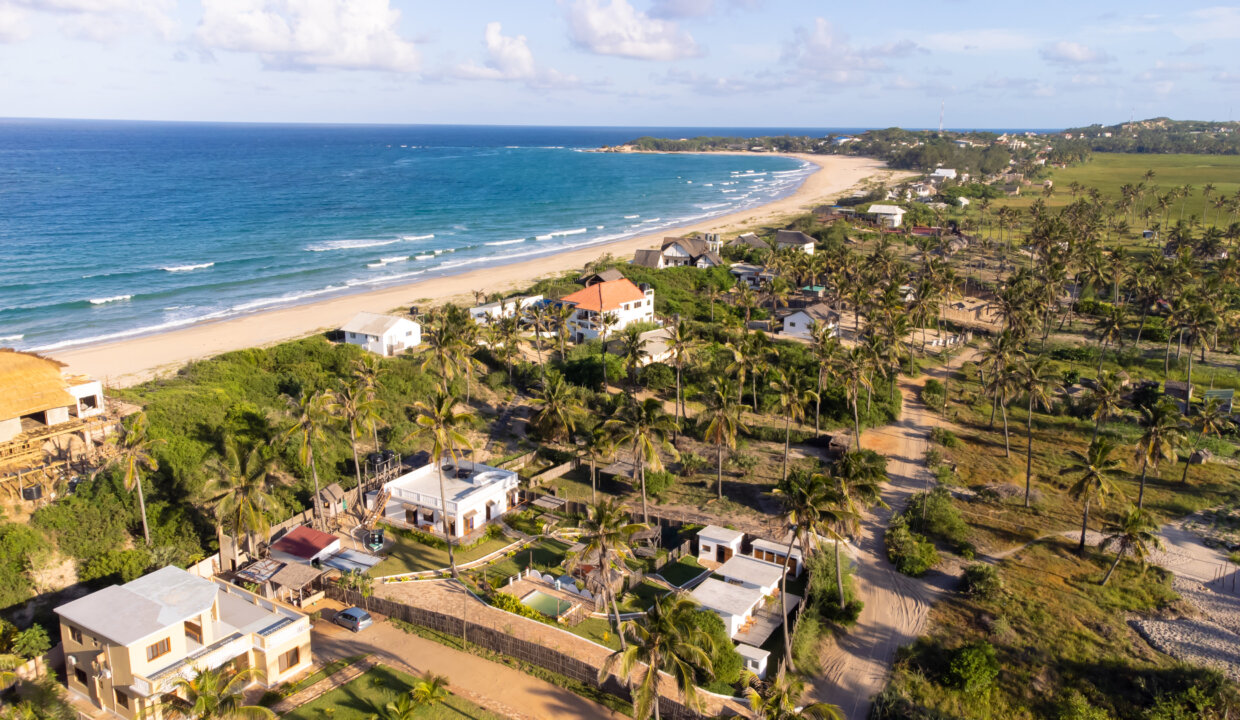
Mozambique is fast becoming one of Africa’s most attractive destinations for property investment. Whether you’re looking for a vacation home along the stunning coastline or a commercial property in a bustling urban center, this country has a lot to offer. From its rich natural beauty to the rapidly growing real estate market, there are endless opportunities for property seekers in Mozambique. Why Mozambique is a Prime Location for Property Investment Mozambique’s Economic Growth Over the past decade, Mozambique has experienced steady economic growth, primarily driven by natural gas exports, agriculture, and tourism. This upward trend has led to increased demand for housing, making Mozambique a promising market for real estate investors. Growing Tourism Industry Tourism in Mozambique is on the rise, especially in coastal areas where tourists flock to enjoy pristine beaches, coral reefs, and vibrant marine life. As more visitors discover Mozambique, the demand for vacation rentals, hotels, and beachfront properties continues to grow, creating an excellent investment opportunity. Types of Properties Available in Mozambique Coastal Villas One of the most desirable property types in Mozambique is coastal villas. Located along the Indian Ocean, these luxury homes offer stunning sea views and are ideal for those seeking a holiday home or a retirement destination. Apartments in City Centers For those looking to invest in urban areas, city apartments are a great option. These properties are in high demand in Mozambique’s major cities, such as Maputo, due to the growing workforce and expatriate communities. Commercial Real Estate Mozambique’s growing economy has led to a boom in commercial real estate. Investors can find opportunities in office spaces, retail units, and hotels, especially in cities like Maputo and Pemba. Best Locations to Buy Property in Mozambique Maputo – The Bustling Capital Maputo, Mozambique’s capital, is the heart of the country’s business and economic activities. The city offers various property types, from luxury apartments to commercial office spaces, making it a hotspot for property investment. Inhassoro – A Tourist Haven Inhassoro is another attractive location, particularly for those interested in investing in vacation properties. This small town is famous for its access to the Bazaruto Archipelago, a popular destination for diving and fishing. Inhambane – The Crown Jewel Inhambane is the crown jewel in terms of Mozambique’s tourism industry. Encounters with marine megafauna, surfing, diving, fishing and a host of other leisure activities available in Inhambane province means it receives the bulk of the country’s tourists each year. This has provided an excellent chance for investors to acquire lifestyle investment properties in Inhambane, which are able to generate decent rental income year after year.  Legal Aspects of Buying Property in Mozambique The property market in Mozambique is totally privatized. Property is legally sold and bought in Mozambique by both foreigners and locals alike.  Property does not have the same legal hurdles as does land.  Title deeds are openly and legally traded, and foreigners, regardless of how long they have resided in Mozambique, are free to buy and sell. The buying and selling process will be detailed in the following article. By law, individual foreigners who intend to acquire barren or undeveloped land, must have been resident in Mozambique for a minimum of 5 years.  Companies owned by foreigners, however, do not have those same restrictions, and are allowed to acquire land as they please, regardless of how long they have been operating in Mozambique. Mozambique’s Property Market Trends Rise in Residential Demand As Mozambique’s economy grows, so does the need for residential housing. This has led to an increase in property development projects, particularly in urban areas like Maputo and Matola. Growing Interest in Vacation Homes There is a growing trend among international buyers looking for vacation homes in Mozambique’s coastal regions. With its beautiful beaches and tropical climate, Mozambique is fast becoming a popular destination for holiday properties. Investment Properties The number of investors who are buying or building investment properties in recent years has shown no signs of slowing down. Coming off a low base in terms of pricing, increased economic growth locally, low cost of living and maintaining a property in Mozambique, as well as flexibility of workers globally are among the drivers which are fuelling the increased demand for investment properties in Mozambique.  Lodges There is still much to be offered for aspiring lodge owners in Mozambique. The tourism industry at large is primed to see continued growth, especially among upwardly mobile travelers, and the number of lodges being opened and constructed displays a high level of confidence amongst investors in the opportunities Mozambique presents.  Real Estate Prices in Mozambique Factors Affecting Prices Property prices in Mozambique vary depending on location, property type, and proximity to amenities. Coastal areas and city centers typically command higher prices due to demand and convenience. Cost Comparison with Neighboring Countries Compared to neighboring countries like South Africa, property prices in Mozambique are generally more affordable. This makes it an attractive option for foreign investors looking to expand their property portfolio in Southern Africa. Financing Property in Mozambique Mortgage Options While mortgage options in Mozambique are somewhat limited, local banks and financial institutions do offer financing solutions for property purchases. However, interest rates may be higher than in more developed markets. Challenges of Property Financing One of the challenges foreign buyers may face is securing financing. As the mortgage market in Mozambique is still developing, foreign investors may need to explore alternative financing options, such as securing loans in their home country. Benefits of Owning Property in Mozambique Return on Investment (ROI) With Mozambique’s real estate market continuing to grow, property values are expected to rise over the coming years. Investors can enjoy substantial returns, especially in high demand areas like Maputo, Bilene and Inhambane Lifestyle and Tourism Appeal Owning property in Mozambique is not just about financial gain—it’s about lifestyle too. With its stunning landscapes, tropical climate, and vibrant culture, Mozambique offers a unique blend of relaxation and adventure. Tips for Buying Property in Mozambique Do Thorough Research Before buying property in…

Read More

Copywrite 2024 Move2Moz